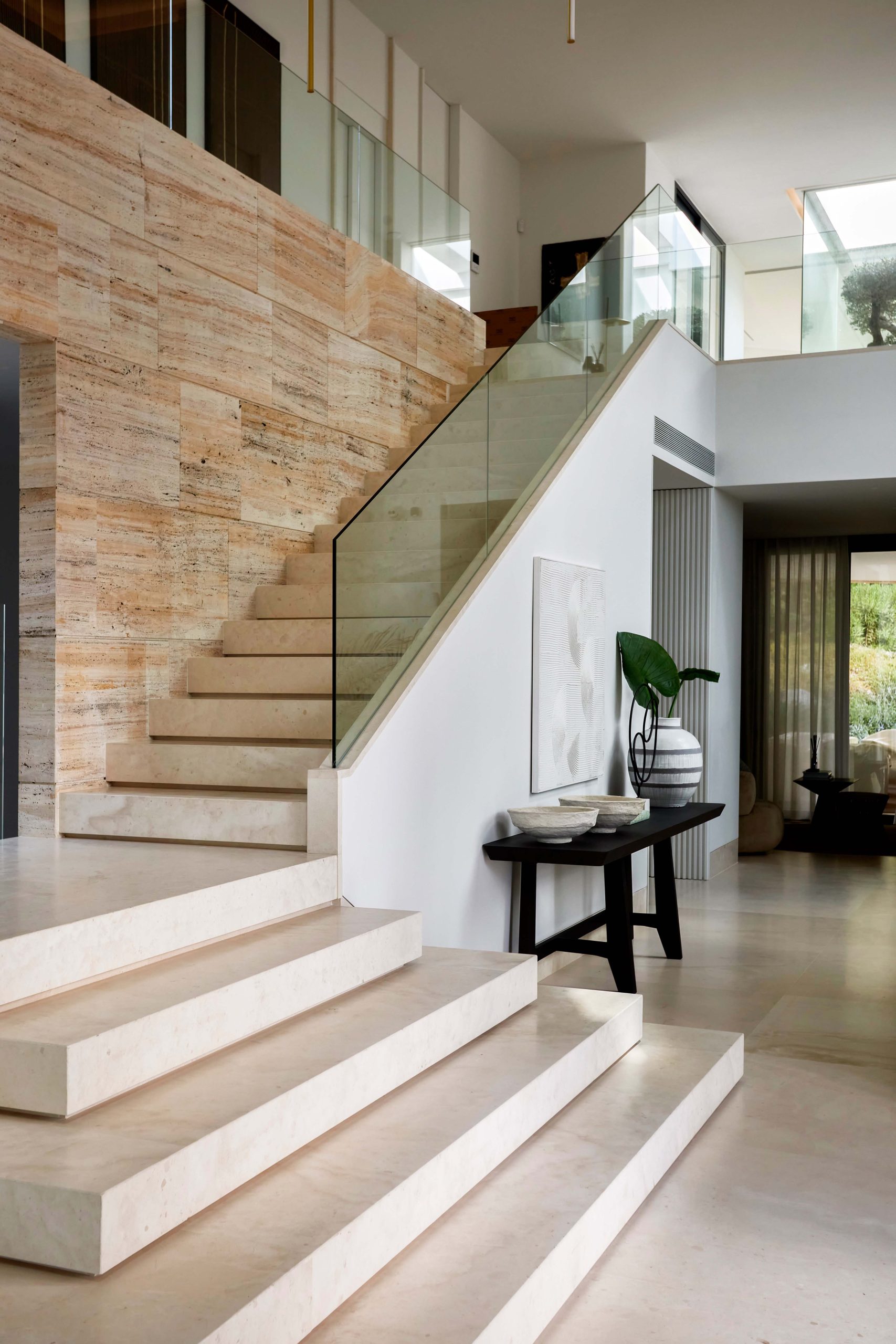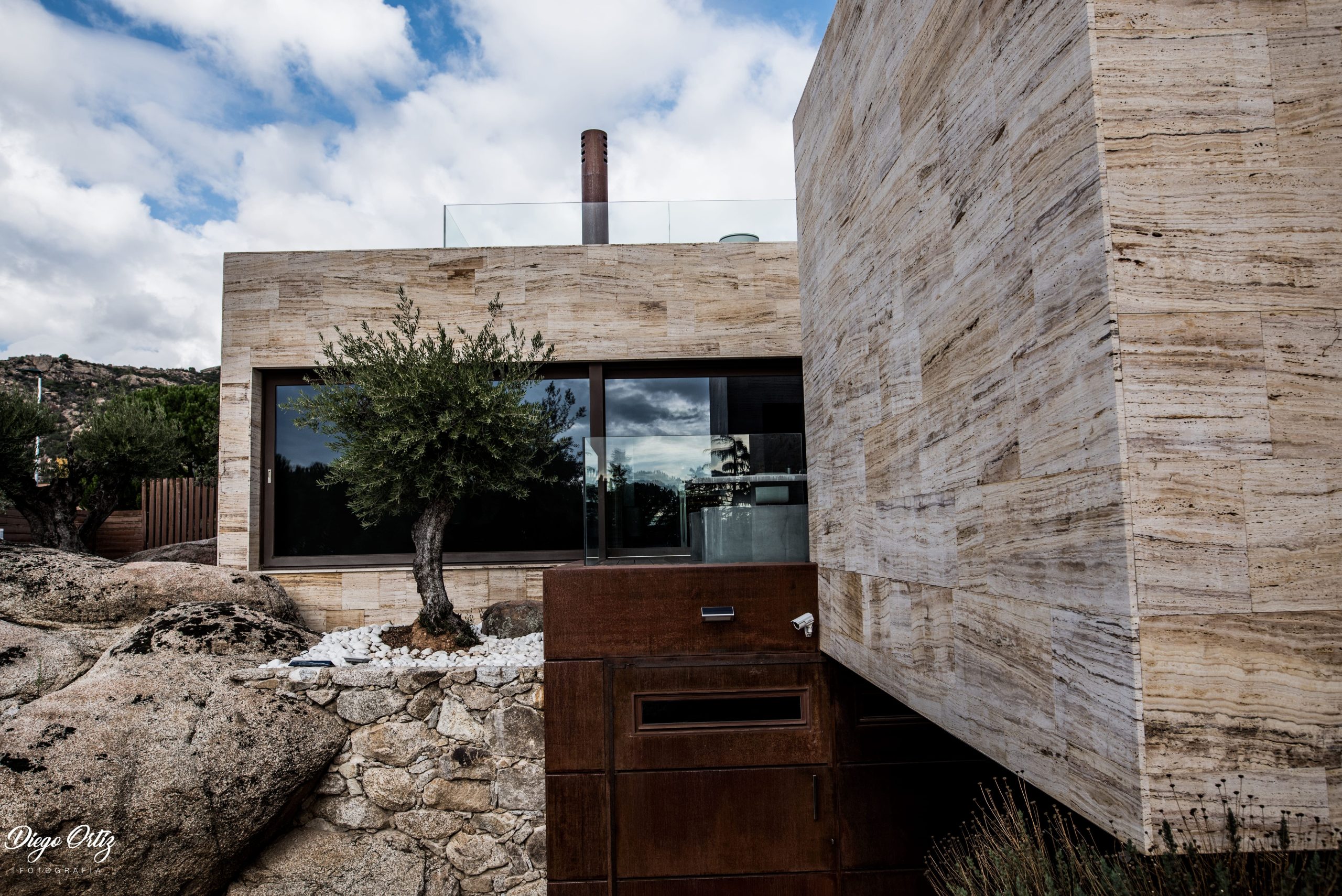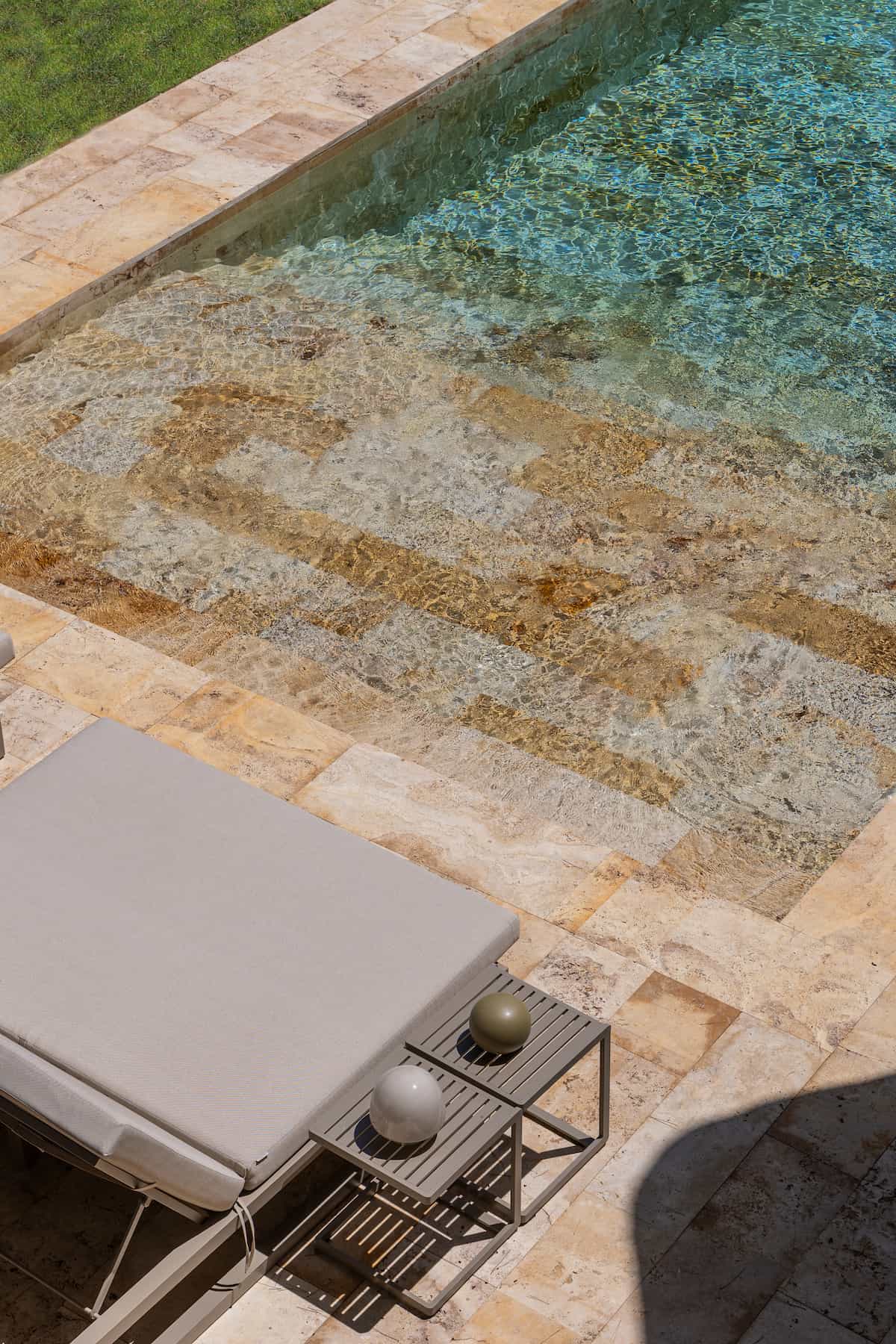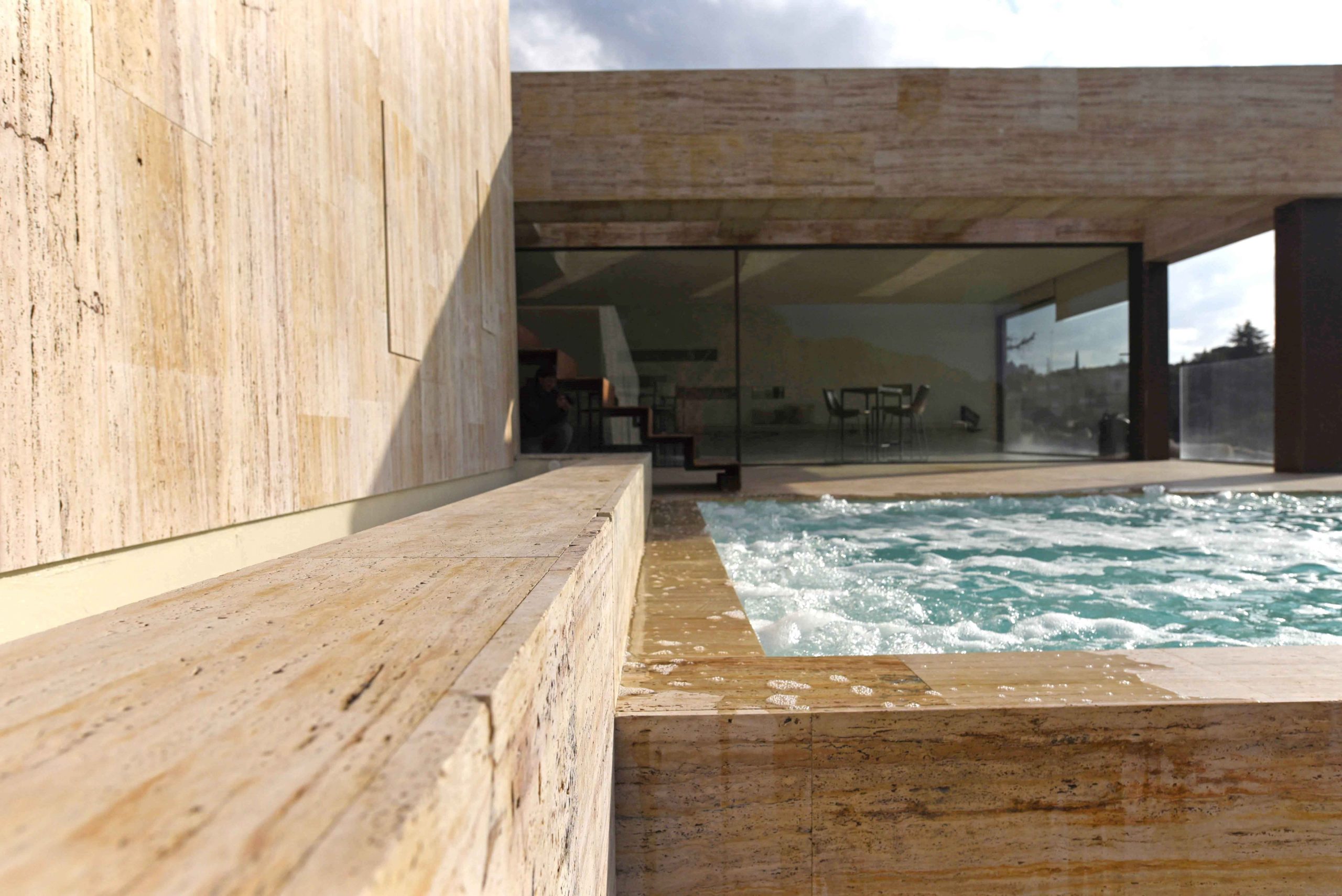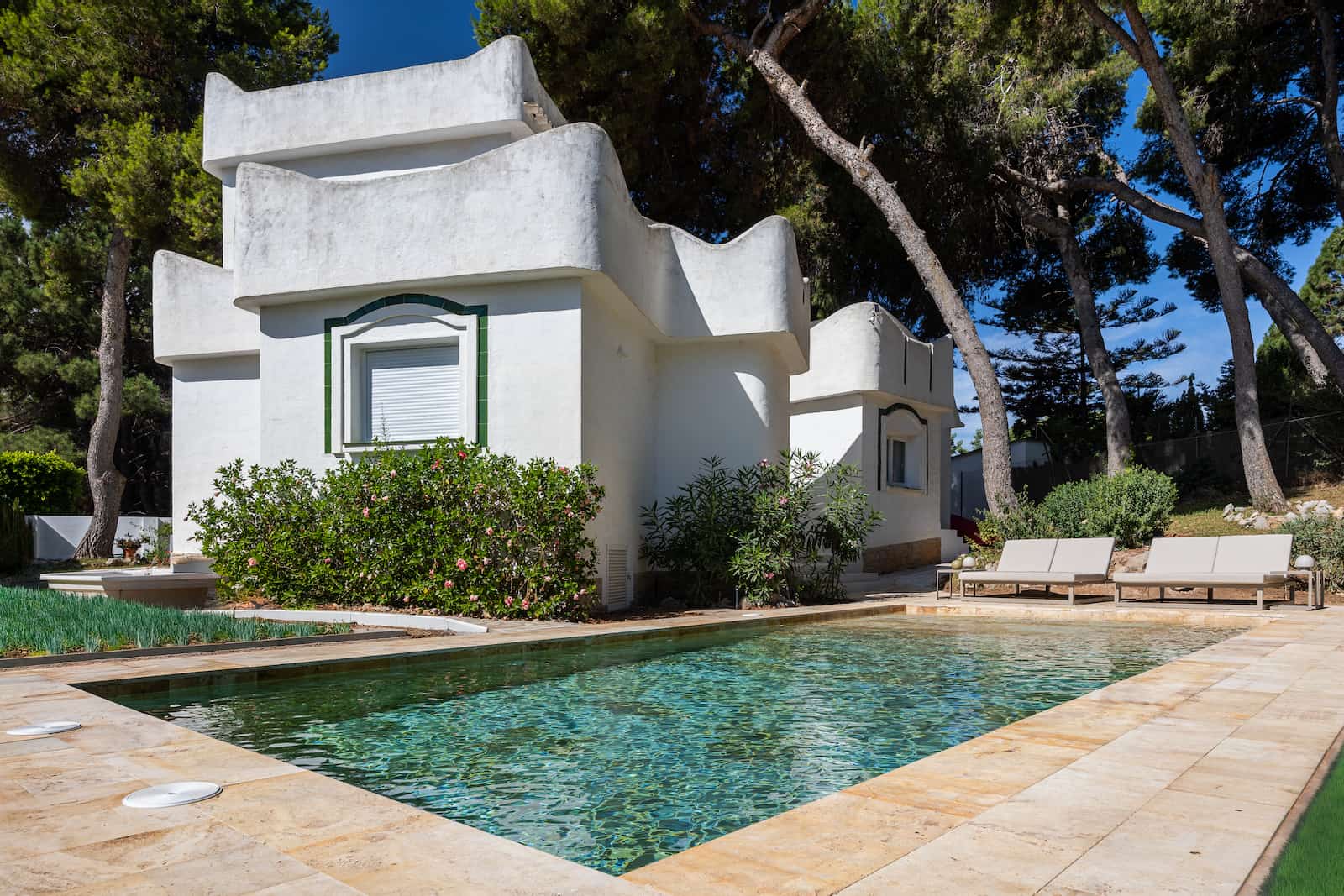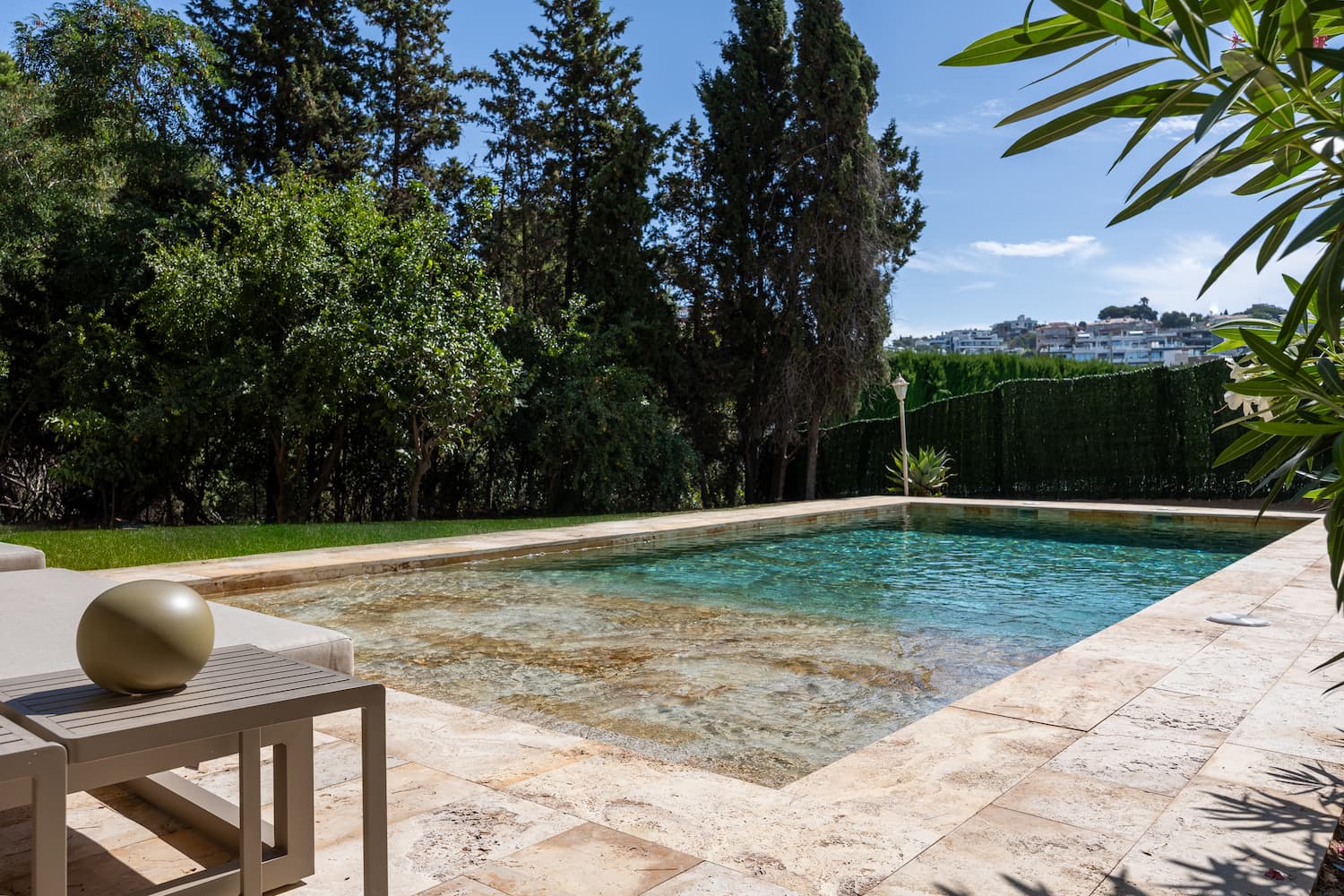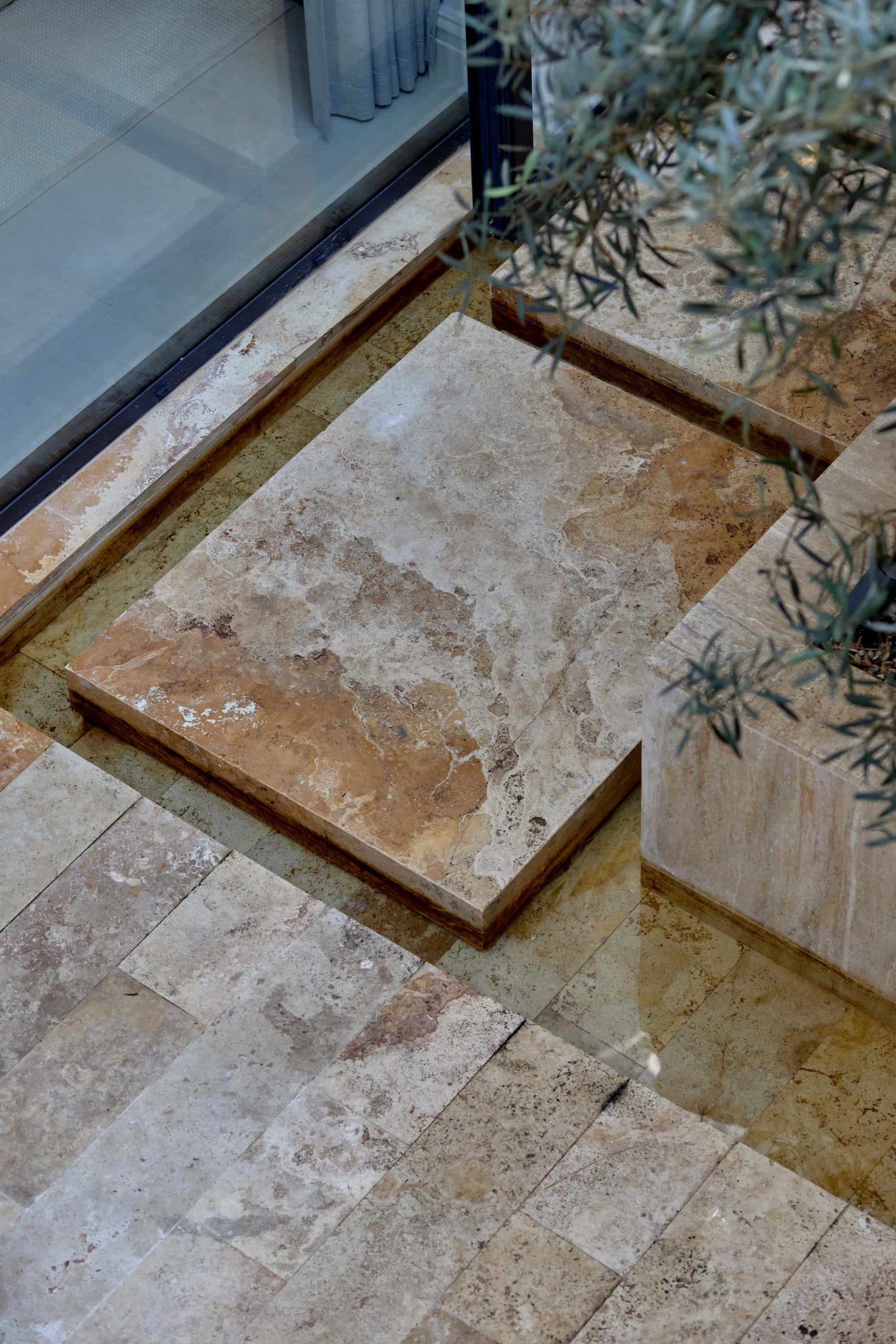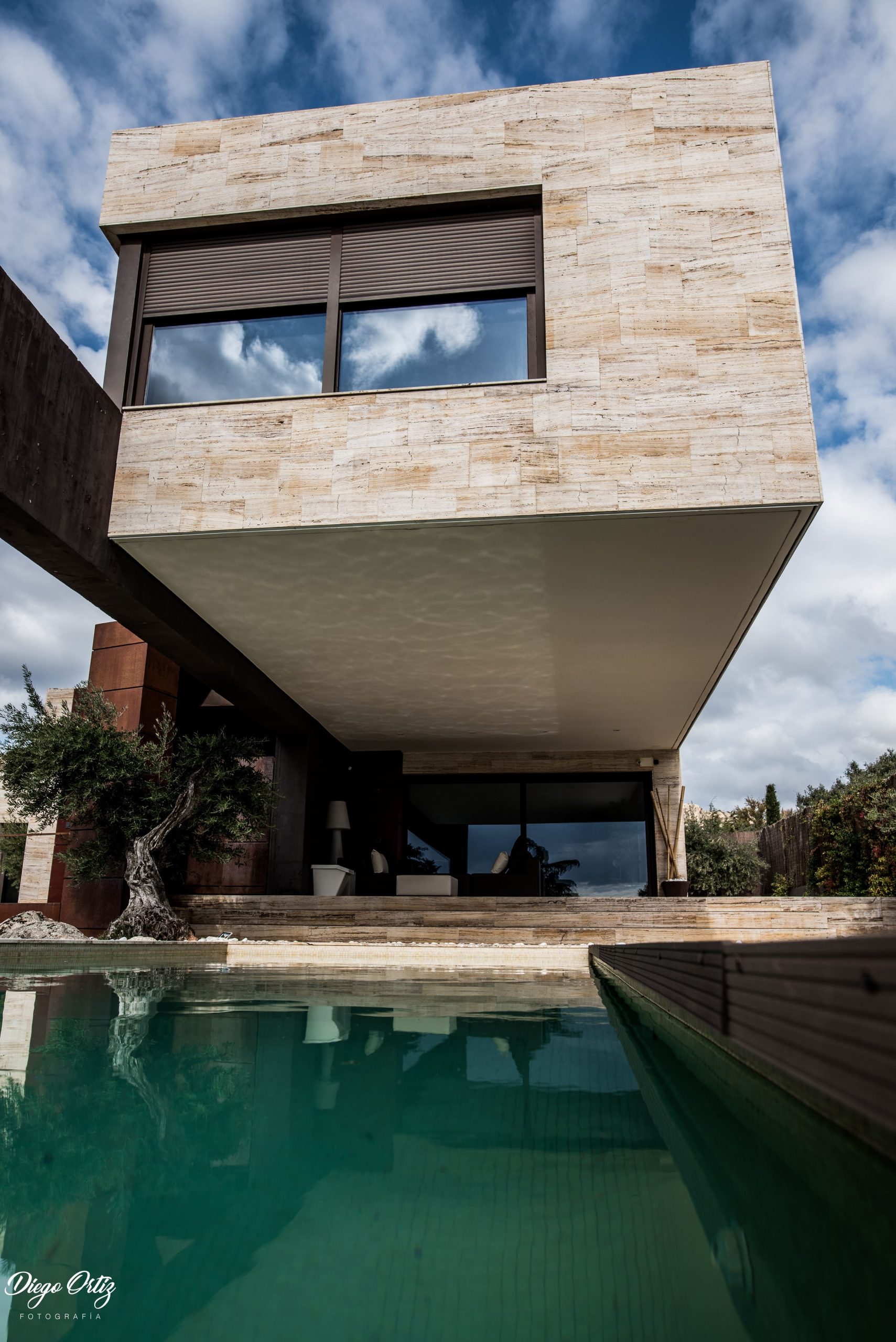
Minimally modified after cutting
Natural Finish
The natural finish, also known as a raw finish, shows the stone in its most primary state after cutting or extraction.
It features a matte, porous, and irregular surface, where the material’s texture is perceived with greater intensity.
Its reliefs, pores, marks, and variations are part of its character; therefore, it does not seek a perfect or uniform appearance.
Let's Differentiate
Why Choose a Natural Finish for Your Natural Stone
This finish is the one that connects most with the stone’s origin. Unlike polished or honed finishes, it does not soften or refine the surface as much, but rather preserves a more direct and authentic interpretation of the material. For this reason, it conveys strength, rusticity, and a very natural, almost architectural feel. Visually, tones may be perceived as more muted or subtle, as there is no gloss to intensify the color.
Compared to an aged finish, a natural finish typically feels rawer, rougher, and less processed. The aged finish has a texture softened by treatment, while the natural finish maintains a more primary presence. This is why a raw finish works very well on facades, walls, exterior cladding, gardens, baseboards, rural spaces, or projects where the stone is intended to be the protagonist due to its texture.
We would choose a natural finish when seeking maximum authenticity, a rustic look, and a direct connection with the material. It is ideal for exterior or decorative projects where texture carries significant visual weight. However, it is not usually the first choice for surfaces where easy cleaning, a smooth feel underfoot, or a refined finish is desired, as its irregularity may require more maintenance depending on use.